Post
Android vs iPhone: Which Smartphone Platform Is Better for You? – 2026
Jun
Android vs iPhone: Which Smartphone Platform Is Better for You?
Introduction

Choosing between Android and iPhone is one of the biggest decisions smartphone buyers face today. Both platforms dominate the global smartphone market and offer excellent user experiences.
While Android and iPhone share many similarities, they differ significantly in design philosophy, customization options, ecosystem integration, and overall user experience. Understanding these differences can help consumers choose the platform that best fits their needs.
The Global Smartphone Competition
For more than a decade, Android and iPhone have competed for dominance in the smartphone industry.
Each platform has developed a loyal user base by focusing on different strengths, creating a unique experience for millions of smartphone owners around the world.
Understanding Android
Android is an operating system developed by Google and used by many smartphone manufacturers.
Because multiple companies produce Android devices, consumers can choose from a wide range of designs, features, and price points to match their preferences and budgets.
Understanding iPhone
The iPhone uses Apple’s iOS operating system, which is available exclusively on Apple devices.
This approach allows Apple to maintain tight control over hardware and software integration, resulting in a highly optimized user experience.
Design Philosophy Differences
Android and iPhone follow different design philosophies. Android focuses heavily on flexibility and customization.
Apple prioritizes simplicity, consistency, and ease of use, making iPhones attractive to users who prefer a streamlined experience.
Device Variety
One of Android’s biggest advantages is variety. Consumers can choose from compact devices, foldable phones, gaming smartphones, budget models, and premium flagships.
In contrast, Apple offers a smaller selection of iPhone models, making the purchasing process simpler but less diverse.
Pricing Options
Android smartphones are available across nearly every price range.
From affordable entry-level devices to ultra-premium flagship models, Android provides options for almost every budget. Apple generally focuses on the mid-range and premium segments.
Operating System Experience
The operating system plays a major role in daily smartphone usage.
Android emphasizes user control and flexibility, while iOS focuses on consistency, reliability, and simplicity.
Customization Capabilities
Customization is one of Android’s strongest advantages. Users can modify home screens, install custom launchers, change icons, and personalize their devices extensively.
This flexibility appeals to users who enjoy tailoring their smartphones to match their preferences.
Simplicity and Ease of Use
Many users appreciate the straightforward nature of iOS.
Apple designs its interface to be intuitive and consistent, allowing even inexperienced users to navigate the system with minimal learning.
Software Updates
Software support is an important factor when choosing a smartphone platform.
Both Android and Apple provide regular updates, but their approaches differ significantly in terms of distribution and duration.
Apple’s Update Strategy
Apple controls both hardware and software, allowing it to deliver updates simultaneously across supported devices.
This centralized approach helps ensure that users receive new features and security improvements quickly.
Android Update Policies
Android updates depend partly on individual manufacturers.
Some premium Android devices receive excellent long-term support, while others may receive fewer updates over their lifespan.
App Availability
Both platforms provide access to millions of applications covering productivity, entertainment, education, health, and communication.
Most popular apps are available on both Android and iPhone, making app availability less of a deciding factor than in the past.
App Quality and Optimization
Because Apple develops hardware and software together, many applications are highly optimized for iPhone devices.
Android apps have also improved significantly, though optimization may vary across different manufacturers and hardware configurations.
Security and Privacy
Security remains a major consideration for smartphone users.
Both Android and iPhone include strong security features, but they approach privacy and data management differently.
iPhone Privacy Features
Apple places a strong emphasis on privacy protection.
The company frequently introduces features that give users greater control over how applications access personal information and tracking data.
Android Security Improvements
Android has made significant progress in security over the years.
Google continuously enhances security features and provides tools that help protect users from malware and other threats.
Ecosystem Integration
Modern smartphones often function as part of larger technology ecosystems.
The ability to connect seamlessly with other devices can significantly improve productivity and convenience.
Apple’s Ecosystem Advantage
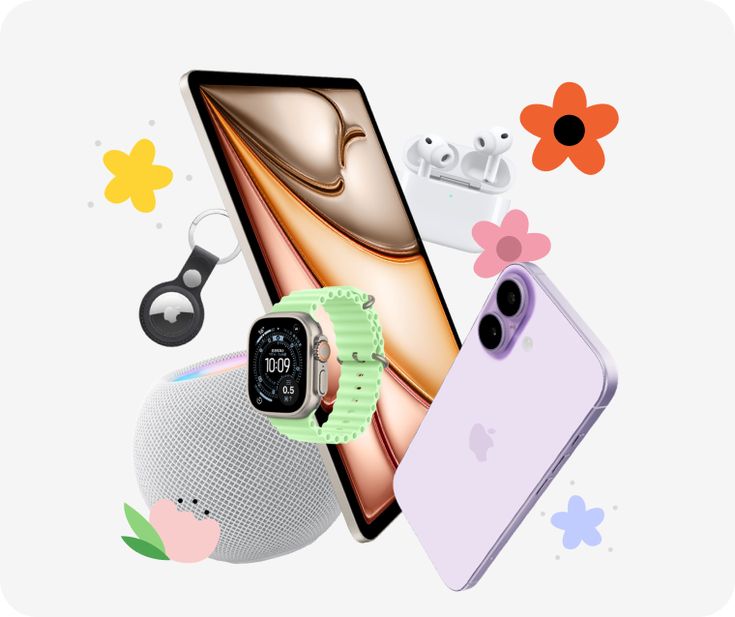
Apple’s ecosystem is one of its strongest selling points.
iPhones work closely with Apple watches, tablets, laptops, and other devices, creating a highly integrated experience.
Android Ecosystem Flexibility
Android users benefit from compatibility with products from numerous manufacturers.
This flexibility allows consumers to mix and match devices according to their preferences and budgets.
Camera Performance Comparison
Camera quality is a major consideration for smartphone buyers.
Both Android flagships and modern iPhones offer exceptional photography capabilities that satisfy most users.
Photography Styles
Different smartphone brands often process images differently.
Some Android devices emphasize vivid colors and sharpness, while iPhones are frequently praised for natural color reproduction and consistency.
Video Recording Capabilities
Video recording has become increasingly important for content creators and social media users.
Both Android and iPhone devices offer advanced video features, though many professionals favor iPhones for consistent video performance.
Gaming Performance
Mobile gaming continues to grow rapidly, making gaming performance an important consideration.
Both platforms support a wide variety of games and offer powerful hardware capable of delivering smooth gameplay experiences.
Battery Life Differences
Battery performance varies significantly depending on the specific device being compared.
Both Android and iPhone manufacturers continue improving battery efficiency and charging technologies.
Fast Charging Technologies
Many Android manufacturers aggressively adopt fast charging innovations.
Apple also offers fast charging capabilities, though its approach tends to focus on balancing convenience and long-term battery health.
Artificial Intelligence Features
Artificial intelligence plays an increasingly important role in modern smartphones.
Both Android and iPhone devices use AI to improve photography, voice assistants, battery management, and productivity features.
Who Should Choose Android?
Android is often an excellent choice for users who value customization, device variety, and flexibility.
It is also attractive to consumers seeking a broader range of pricing options and hardware innovations.
Who Should Choose iPhone?
The iPhone is often ideal for users who prioritize simplicity, long-term software support, and ecosystem integration.
Many consumers appreciate the consistent experience and seamless interaction between Apple products.
Future Trends for Both Platforms
Both Android and iPhone continue to evolve rapidly.
Artificial intelligence, foldable devices, augmented reality, and advanced connectivity technologies are expected to shape the future of both ecosystems.
Making the Right Decision
There is no universal answer to the Android versus iPhone debate.
The best choice depends on individual priorities, budget, usage habits, and personal preferences.
Conclusion
Android and iPhone are both outstanding smartphone platforms that offer powerful features, strong security, and excellent user experiences.
By understanding the differences in customization, software support, ecosystem integration, performance, and pricing, consumers can confidently choose the platform that best matches their needs and enjoy a smartphone experience tailored to their lifestyle.
